
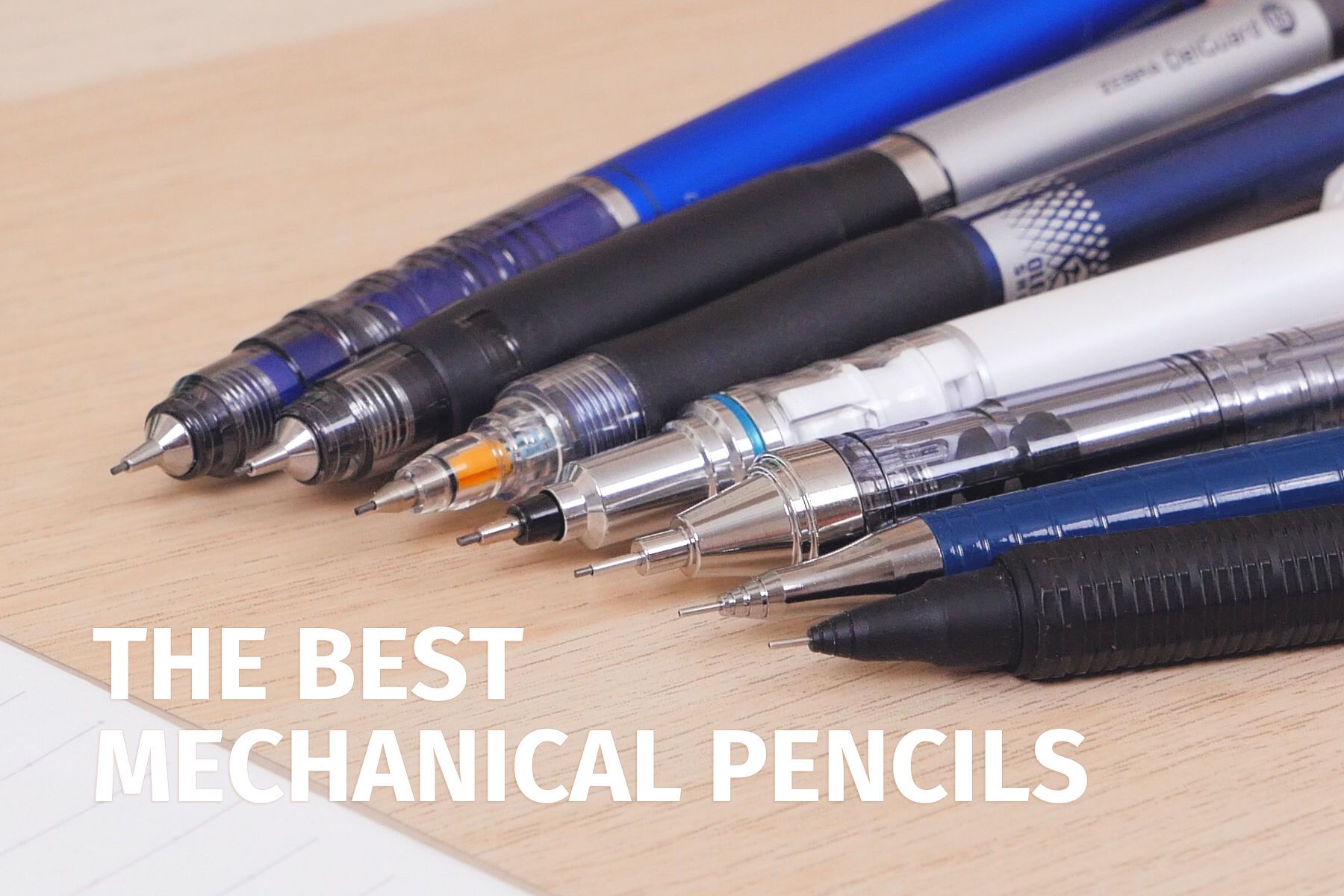
I’ve always been particular about my writing tools, but nothing has transformed my note-taking and sketching like the Japanese mechanical pencil. It started when I picked up a Pentel Graphgear 1000 for a drafting project. The precision was unlike anything I’d experienced with Western pencils. The 0.3mm lead held its sharpness through hours of detailed work, and the weight distribution felt balanced in my hand. That’s when I realized Japanese mechanical pencils aren’t just tools—they’re engineered experiences.
Why Japanese Mechanical Pencils Stand Out
Japanese mechanical pencils prioritize control and durability. Take the Pilot S10 for example. Its shaker mechanism advances lead with a flick of the wrist, perfect for quick note-taking. Meanwhile, the Tombow Mono 100 uses a cushioned lead sleeve to reduce breakage, ideal for heavy-handed writers like me. These features aren’t gimmicks—they’re solutions to real problems. In my experience, the attention to detail in Japanese designs makes them outperform most Western alternatives in both function and longevity.
Key Features to Look For
When choosing a Japanese mechanical pencil, focus on lead size, grip material, and weight. A 0.5mm lead strikes a balance between precision and strength, but I’ve found 0.7mm works better for extended writing sessions. The Zebra DelGuard’s double-clutch mechanism is a game-changer for preventing lead breakage, though it adds slight bulk. For grip, the soft rubber on the Pentel Smash Q1000 is comfortable, but I prefer the knurled metal of the Graphgear 1000 for a firmer hold. Weight matters too—a heavier pencil like the Uni NanoDia feels more substantial, while lighter options like the Ohto Tasche are easier to carry.
Comparing Top Models
| Model | Lead Size | Notable Feature | Best For |
|---|---|---|---|
| Pentel Graphgear 1000 | 0.3mm - 0.9mm | Grippy metal body | Technical drawing |
| Tombow Mono 100 | 0.5mm | Lead cushioning | Everyday writing |
| Zebra DelGuard | 0.5mm | Break-resistant mechanism | Heavy-handed users |
Practical Tips for Maintenance
To keep your Japanese mechanical pencil in top shape, clean the lead sleeve regularly. I use a thin needle to remove debris, which prevents jamming. For pencils with retractable tips, like the Mitsubishi Hi-Uni, avoid applying excessive pressure to protect the mechanism. If you’re using a shaker pencil, remember to store it horizontally—vertical storage can cause lead to settle unevenly. Lastly, invest in high-quality lead. Uni’s NanoDia lead is pricier but lasts longer and breaks less often.
✏️ Note: Always test lead hardness before committing to a pack. I once bought B grade lead thinking it’d be softer, only to find it smudged more than expected.
After years of testing, I’ve learned that the right Japanese mechanical pencil can elevate your work, but it’s not a one-size-fits-all solution. For instance, while I love the precision of 0.3mm leads, they’re impractical for quick notes. Honestly, the best approach is to match the tool to the task. If you’re drafting blueprints, go for a Graphgear 1000. For journaling, the Mono 100’s simplicity shines. The key is to experiment—what works for me might not work for you. But once you find the right fit, you’ll wonder how you ever managed without it.
Related Terms:
- best japanese mechanical pencil
- jetpens best mechanical pencils
- mechanical pencils japan
- high quality mechanical pencils
- overengineered japanese pencils
- over engineered mechanical pencil


